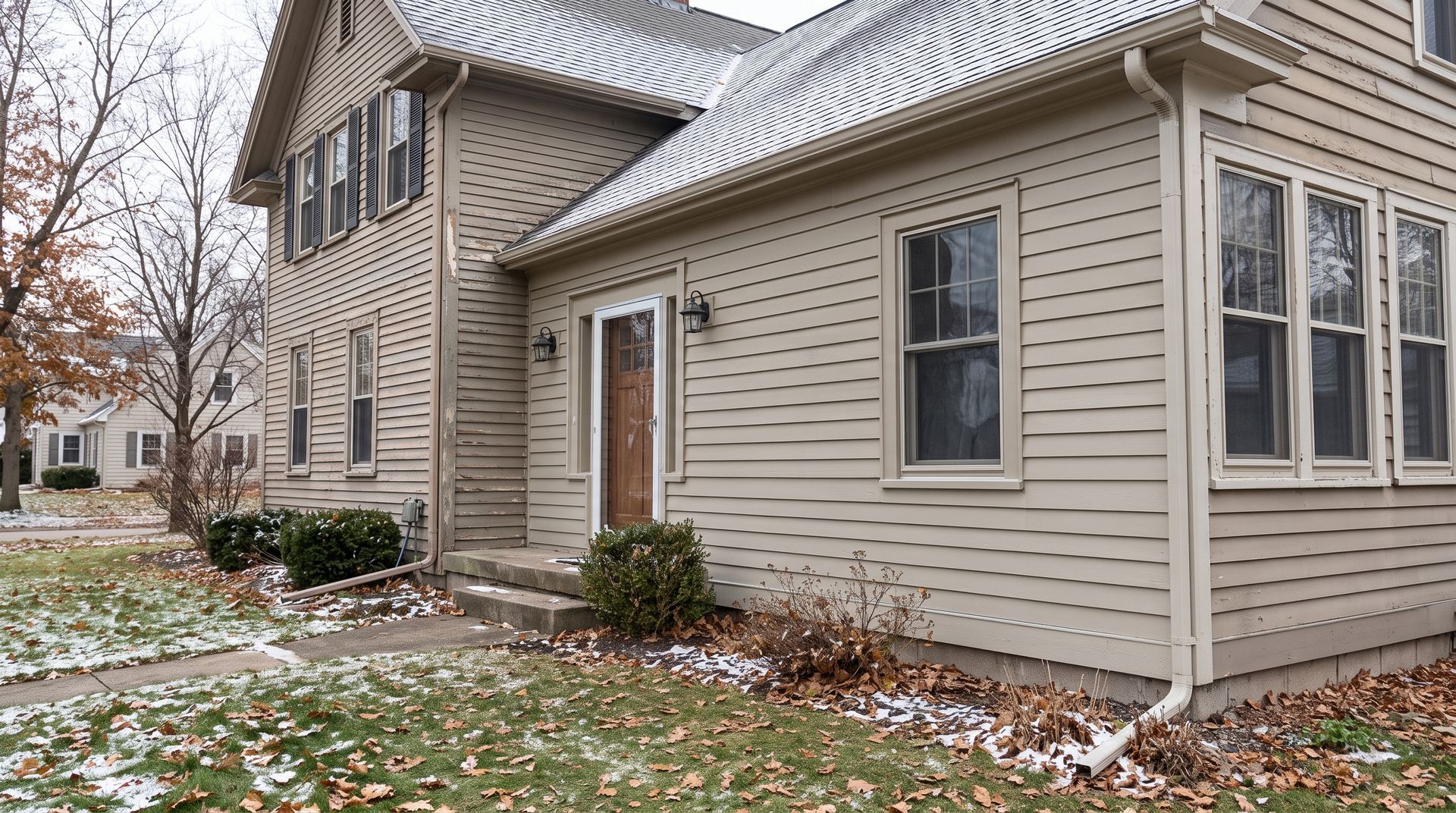
Kentucky winters may not always bring extreme snowfall, but they still create serious challenges for home exteriors. Cold temperatures, freezing moisture, rain, wind, and fluctuating weather conditions place constant stress on siding, trim, decks, fences, and other exterior surfaces.
Many homeowners focus on winterizing plumbing, roofing, or heating systems while overlooking the role exterior paint plays in protecting the home. In reality, exterior paint acts as one of the first lines of defense against moisture intrusion and seasonal damage.
For homeowners in Burlington and throughout Northern Kentucky, maintaining exterior paint before winter arrives is one of the most effective ways to reduce long term maintenance costs and preserve property value.
This guide explains how professional painting protects homes during Kentucky winters and why preventative exterior maintenance matters before cold weather arrives.
Exterior Paint Acts as a Protective Barrier
Exterior paint does much more than improve curb appeal. It creates a protective barrier between exterior materials and the elements. This barrier helps shield wood, siding, trim, and masonry from moisture and temperature related damage.
During winter, homes are exposed to freezing rain, snow, condensation, and repeated freeze thaw cycles. These conditions can gradually weaken unprotected surfaces and allow moisture to penetrate vulnerable areas.
Professional exterior paint helps seal small surface pores and reduces water absorption. By limiting moisture intrusion, paint helps prevent damage that may otherwise worsen during winter conditions.
Freeze Thaw Cycles Can Damage Exterior Surfaces
One of the biggest threats during Kentucky winters is the freeze thaw cycle. When moisture enters small cracks or exposed materials and temperatures drop below freezing, the water expands as it freezes.
This expansion places pressure on siding, wood, brick, and trim. Over time, repeated freezing and thawing can cause cracks to widen, paint to peel, and surfaces to deteriorate.
Homes with aging or damaged paint are more vulnerable because moisture reaches the underlying materials more easily. Once deterioration begins, repairs become more expensive and extensive.
Maintaining exterior paint before winter helps reduce the likelihood of moisture entering these vulnerable areas.
Moisture Intrusion Leads to Wood Rot
Wood trim, fascia boards, doors, and siding are especially vulnerable during winter if paint protection is compromised. Even small areas of peeling or cracked paint can allow moisture to seep into exposed wood.
As moisture accumulates, wood may swell, soften, or eventually begin to rot. Winter weather often accelerates these problems because moisture remains trapped for longer periods during colder months.
Professional painters inspect and repair vulnerable areas before repainting. Proper sealing and paint application help keep wood protected throughout winter and beyond.
Preventing wood rot early is far less expensive than replacing damaged structural components later.
Professional Preparation Helps Paint Last Longer
The durability of exterior paint depends heavily on preparation. Simply applying paint over dirty or damaged surfaces does not provide reliable winter protection.
Professional exterior painting includes pressure washing, scraping loose paint, sanding rough areas, repairing damaged surfaces, and applying primer when necessary. These preparation steps ensure proper adhesion and improve long term performance.
Homes in Northern Kentucky often experience high humidity levels throughout the year, making preparation especially important before winter weather arrives.
Well prepared surfaces help paint resist peeling, cracking, and moisture damage during harsh seasonal conditions.
Cold Temperatures Affect Exterior Materials
Winter weather affects more than just paint itself. Exterior materials naturally expand and contract as temperatures change. Siding, trim, and wood surfaces shift slightly during these seasonal cycles.
High quality exterior paint is designed to remain flexible enough to move with the material underneath. This flexibility helps reduce cracking and paint failure over time.
Professional painters understand which products perform best in Kentucky conditions and select paints formulated to handle temperature fluctuations effectively.
Using the wrong products or applying paint improperly may reduce flexibility and shorten the lifespan of the finish.
Mold and Mildew Can Worsen During Winter
Although mold and mildew are commonly associated with warm weather, winter moisture can still contribute to biological growth on exterior surfaces.
Areas shaded from sunlight or exposed to poor drainage often remain damp for extended periods during winter months. Aging paint and unsealed surfaces create conditions where mold and mildew can continue spreading.
Professional painters remove existing mildew before repainting and use quality products designed to resist future growth.
This not only protects the home but also helps maintain cleaner and healthier exterior surfaces year round.
Exterior Painting Helps Preserve Energy Efficiency
Exterior paint and sealing also contribute to energy efficiency during winter. Cracked caulking, exposed wood, and deteriorated trim allow drafts and moisture infiltration that can reduce insulation performance.
Professional painting projects typically include replacing worn caulking around windows, doors, and trim. Proper sealing reduces air leaks and helps improve indoor comfort during colder months.
While paint alone does not replace insulation, maintaining a sealed and protected exterior supports overall home efficiency and comfort.
Decks and Fences Need Winter Protection Too
Winter weather affects more than the main structure of the home. Decks, fences, and outdoor wood surfaces also experience moisture exposure, freezing temperatures, and seasonal wear.
Without proper paint or stain protection, these surfaces absorb moisture and deteriorate more quickly during winter. Cracking, warping, and splitting often become worse after repeated freeze thaw cycles.
Professional staining and painting help outdoor structures resist winter moisture and extend their lifespan significantly.
Regular maintenance helps homeowners avoid costly replacement projects later.
Why Fall Is the Ideal Time for Exterior Painting
Many homeowners schedule exterior painting during spring or summer, but fall is often one of the best times for exterior maintenance in Kentucky.
Moderate temperatures and lower humidity levels create favorable conditions for paint adhesion and curing. Completing exterior painting before winter arrives ensures surfaces are protected before cold weather exposure increases.
Waiting until winter damage becomes visible may lead to more expensive repairs and more extensive preparation work.
Planning ahead allows homeowners to protect their investment proactively.
Why DIY Winter Protection Often Falls Short
Some homeowners attempt to handle exterior maintenance themselves before winter, but improper preparation and product selection often reduce effectiveness.
Consumer grade paints and rushed application methods may not provide the same level of protection as professional systems. Inexperienced application can also leave gaps, thin coverage, or unsealed areas vulnerable to moisture intrusion.
Professional painters understand how to prepare surfaces correctly and apply coatings designed for long term winter performance.
Experienced workmanship helps ensure paint protection lasts through changing seasonal conditions.
Long Term Benefits of Preventative Exterior Painting
Exterior painting should be viewed as preventative maintenance rather than simply a cosmetic upgrade. Properly maintained paint helps homeowners avoid larger problems such as wood rot, siding deterioration, and moisture damage.
Routine repainting and inspections allow small issues to be corrected before they become expensive repairs. This proactive approach preserves both the structure and appearance of the home.
Homes with well maintained exteriors also retain stronger curb appeal and long term property value.
Why Homeowners Choose E Garcia Painting
E Garcia Painting provides professional exterior painting services throughout Burlington Kentucky, Northern Kentucky, and nearby Ohio communities. Although the company is newly established, the team brings years of hands on experience protecting homes from seasonal weather damage.
Homeowners choose E Garcia Painting for careful preparation, quality products, and reliable workmanship designed to withstand Kentucky weather conditions. Every project is approached with attention to detail and long term durability.
From siding and trim to decks, fences, and outdoor surfaces, E Garcia Painting helps homeowners prepare their homes for winter with confidence.
Common Questions About Exterior Painting and Winter Protection
Homeowners often ask whether exterior paint can prevent all winter damage. While paint cannot eliminate every risk, it significantly reduces moisture intrusion and weather related deterioration.
Another common question is whether exterior painting can be done late in the year. Professional painters monitor temperature and weather conditions carefully to ensure proper curing before winter weather arrives.
Many homeowners also ask how often exterior paint should be updated. Most homes benefit from repainting every seven to ten years depending on exposure, materials, and maintenance history.
Schedule a Free Exterior Painting Estimate
If you want to protect your home before Kentucky winter weather arrives, E Garcia Painting is ready to help. We proudly serve Burlington Kentucky, Boone County, Kenton County, and surrounding Northern Kentucky and Cincinnati communities.
Contact us today to schedule a free exterior painting estimate and keep your home protected through every season.
Phone 859 307 0782
Email eduardogarcia@egarciapainting.com
Available 24 hours a day